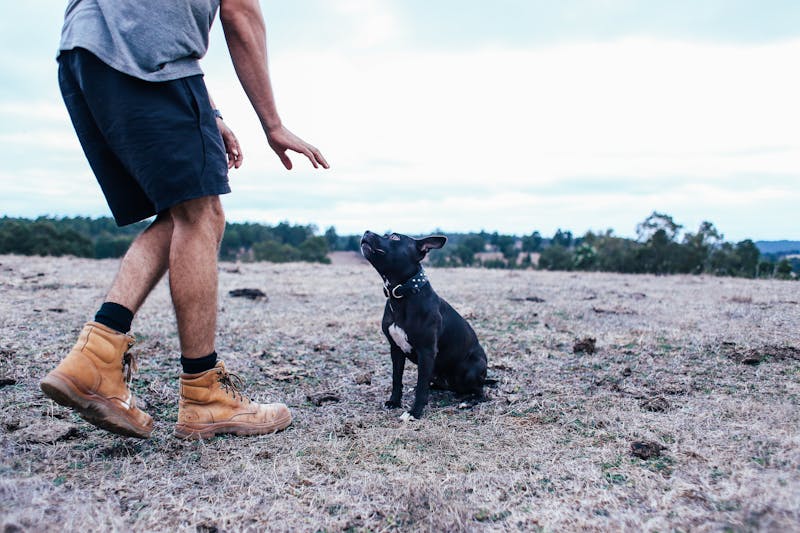
Essential Puppy Training Guide: 5 Basic Commands Every New Dog Owner Must Know (2024)
Are you bringing home a new puppy? Congratulations! While those first few weeks are filled with adorable moments, they can also be overwhelming. Your energetic ball of fur needs guidance to become a well-mannered family member. This comprehensive guide will walk you through the five essential commands that form the foundation of successful puppy training.
Why Start Puppy Training Early? The Science Behind the 8-Week Sweet Spot
Most veterinarians and professional trainers agree: the ideal window to begin puppy training is around 8 weeks of age. During this critical period, puppies are like little sponges, absorbing new information and forming lasting behavioral patterns. Research shows that early training not only prevents problem behaviors but also strengthens the human-canine bond.
Quick Guide to Successful Training Sessions
For maximum effectiveness, structure your training around these proven principles:
- Keep sessions short (5-10 minutes max)
- Train 2-4 times daily
- Use high-value treats
- Practice in low-distraction environments first
- Stay consistently positive
Pro Tip: Training outdoors? Choose quiet times of day and calm locations initially. If you're in Castro Valley or similar areas with year-round mild weather, take advantage of empty parks during off-peak hours.
The Foundation: Three Core Principles of Modern Puppy Training
1. Positive Reinforcement: The Key to Lasting Results
Modern training methods focus on rewarding good behavior rather than punishing mistakes. Your toolkit should include:
- Small, soft training treats
- Enthusiastic praise
- Gentle petting
- Favorite toys
Remember: Harsh corrections can damage your puppy's confidence and create fear-based behaviors.
2. Consistency is King
Use the same command words every time. "Come," "come here," and "over here" might seem similar to you, but they can confuse your puppy. Pick one command and stick with it.
3. Progress Gradually
Start in a quiet room at home. Only move to more challenging environments once your puppy masters each command in a controlled setting.
The Essential 5: Step-by-Step Command Training
1. Teaching "Sit": Your Gateway Command
"Sit" is typically the easiest command to teach and serves as a foundation for more advanced training.
Step-by-Step Guide:
- Hold a treat near your puppy's nose
- Slowly raise the treat above their head
- As their head tilts back, their bottom will naturally lower
- The moment they sit, say "Yes!" and reward
- Repeat 5-7 times per session
Common Mistakes to Avoid:
- Forcing your puppy's bottom down
- Repeating the command multiple times
- Rewarding before they're fully seated
Success Tips:
- Practice before meals when motivation is high
- Use the command before daily activities (meals, walks, playtime)
- Keep treats small to maintain interest
2. Mastering "Stay": Building Impulse Control
"Stay" is crucial for safety and requires patience to teach effectively.
Step-by-Step Guide:
- Start with your puppy in a sitting position
- Hold your palm up like a stop sign
- Say "Stay" clearly and confidently
- Wait 2-3 seconds
- Return to your puppy and reward
- Gradually increase duration and distance
Pro Tips:
- Always return to your puppy – don't call them from a stay
- Use a release word like "OK" or "Free"
- Practice in different locations once reliable indoors
3. The Life-Saving "Come" Command
A reliable recall can literally save your puppy's life. Make it their favorite game!
Step-by-Step Training:
- Begin in a quiet indoor space
- Say your puppy's name followed by "Come!" in an excited voice
- Open your arms welcomingly
- Reward generously when they reach you
- Practice with increasing distances
Safety Tips:
- Never call your puppy for punishment
- Use a long training leash for outdoor practice
- Reward EVERY successful recall
4. Teaching "Down": The Calm Command
"Down" promotes relaxation and is essential for public settings.
Training Steps:
- Start with your puppy in "Sit"
- Hold a treat at their nose
- Slowly lower it straight down
- When they follow, slide the treat forward along the ground
- Mark and reward the moment they lie down
Success Strategies:
- Train when your puppy is somewhat tired
- Practice on a non-slip surface
- Reward calm behavior while in the down position
5. "Heel": The Walking Partnership
Teaching your puppy to walk politely beside you requires time and consistency.
Step-by-Step Method:
- Hold treats at your left hip
- Take a few steps forward
- Reward your puppy for staying beside you
- Gradually increase walking duration
- Practice in various environments
Training Tips:
- Start in a boring indoor location
- Stop moving if your puppy pulls
- Use high-value treats initially
Troubleshooting Common Training Challenges
When Progress Stalls
- Return to the last successful level
- Verify your timing of rewards
- Check if you're training in too distracting an environment
- Consider if your puppy is too tired or hungry
Signs You Need Professional Help
Consult a certified trainer if:
- Your puppy shows signs of fear or aggression
- Training progress has completely stalled
- You're feeling overwhelmed or frustrated
Beyond the Basics: Setting Up Long-Term Success
Daily Practice Opportunities
Incorporate commands into daily routines:
- Sit before meals
- Stay when opening doors
- Come for pleasant activities
- Down during family TV time
- Heel on regular walks
Socialization Tips
While teaching commands, also expose your puppy to:
- Different surfaces
- Various sounds
- New people (when safe)
- Other animals
- Different environments
Conclusion: Your Path to a Well-Trained Puppy
Remember, successful puppy training isn't about perfection – it's about progress. Every puppy learns at their own pace, and that's okay. With consistency, patience, and positive reinforcement, you'll build a strong foundation for a lifetime of good behavior.
Focus on making training fun and rewarding for both you and your puppy. The time you invest now will pay dividends in years of companionship with a well-mannered, happy dog.
Ready to start? Pick one command, grab some treats, and begin your training journey today. Your future self (and your adult dog) will thank you!