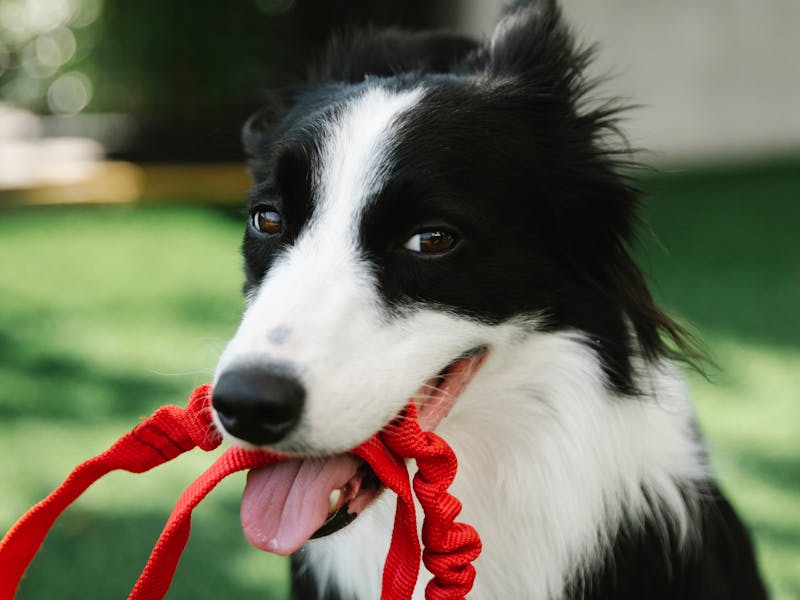
How to Solve the Top 5 Dog Behavior Problems: Expert Solutions That Actually Work (2024)
Is your beloved dog's behavior causing stress at home? You're not alone. From excessive barking to leash pulling, behavior issues are among the most common reasons pet parents seek professional help. This guide breaks down science-backed solutions for the most challenging dog behaviors, helping you restore peace and harmony in your household.
Understanding Dog Behavior: The Foundation for Lasting Change
Before diving into specific solutions, let's understand why dogs develop unwanted behaviors. Most problematic behaviors stem from:
- Natural instincts being expressed inappropriately
- Inadvertent reinforcement of unwanted behaviors
- Lack of proper outlet for energy or mental stimulation
- Anxiety or stress responses
- Insufficient or inconsistent training
Remember: These behaviors aren't signs of a "bad dog" – they're opportunities for training and strengthening your bond.
1. Conquering Excessive Barking: A Comprehensive Approach
Why Dogs Bark Excessively
Understanding the trigger is crucial for choosing the right solution:
- Alert barking at sounds/movement
- Attention-seeking behavior
- Territorial response
- Boredom or excess energy
- Anxiety-driven barking
Proven Solutions for Different Types of Barking
For Alert Barking:
- Acknowledge the alert ("Thank you, that's enough")
- Teach the "Quiet" command:
- Wait for a brief pause in barking
- Mark the silence with "Yes!"
- Reward immediately
- Gradually increase duration of quiet before rewarding
For Attention-Seeking Barking:
- Completely ignore the barking
- Reward quiet moments
- Provide attention on your terms
- Establish regular play/training sessions
Pro Tip: Consider environmental management – closing blinds during peak activity times outside or using white noise can reduce trigger exposure.
2. Stop Leash Pulling: Transform Walks into Enjoyable Exercise
Why Dogs Pull
- Natural walking pace is faster than humans
- Excitement about exploring
- Lack of leash training
- Reinforcement from reaching desired locations
The Step-by-Step Solution
1. Choose the Right Equipment:
- Front-clip harness for better control
- 6-foot standard leash (avoid retractable)
- High-value training treats
2. Implement the "Be a Tree" Method:
- Stop immediately when pulling occurs
- Wait for loose leash
- Reward and resume walking
- Repeat consistently
3. Practice "Return and Reward":
- Mark and reward spontaneous check-ins
- Gradually increase walking duration
- Vary rewards (treats, praise, play)
Success Tip: Start in low-distraction areas like quiet neighborhood streets. In Castro Valley and similar areas, early morning or evening walks often provide calmer training environments.
3. Eliminate Jumping on People: Teaching Polite Greetings
Understanding the Behavior
Jumping is natural greeting behavior for dogs, but it's:
- Potentially dangerous
- Unwelcoming to guests
- Reinforced by attention (even negative)
The 4-Step Solution
1. Remove All Reinforcement:
- Turn away immediately
- Cross arms
- No eye contact
- No verbal response
2. Reward "Four on the Floor":
- Treat/praise when all paws are down
- Time rewards precisely
- Be consistent with all family members
3. Teach Alternative Behaviors:
- "Sit" for greetings
- "Go to place"
- "Touch" (hand targeting)
4. Practice with Helpers:
- Start with family members
- Progress to willing friends
- Finally, work with strangers
4. Resolve Destructive Digging: Addressing the Root Cause
Common Reasons for Digging
- Boredom or excess energy
- Hunting instincts
- Temperature regulation
- Anxiety or stress
- Den-making behavior
Targeted Solutions
For Boredom/Energy:
- Increase exercise (aim for 30-60 minutes daily)
- Provide mental stimulation:
- Food puzzles
- Training sessions
- Enrichment activities
For Instinctive Digging:
- Create a designated digging area:
- Sandbox or specific garden section
- Bury toys and treats initially
- Praise for using the right spot
For Cooling Purposes:
- Ensure adequate shade
- Provide cooling mats
- Consider kiddie pools
- Limit outdoor time in peak heat
5. Manage Separation Anxiety: Building Confidence When Alone
Identifying True Separation Anxiety
Signs include:
- Excessive vocalization
- Destructive behavior
- Indoor accidents
- Intense following behavior
- Visible distress when you prepare to leave
The Gradual Desensitization Plan
1. Start with Brief Separations:
- Leave for 30 seconds
- Return calmly
- Gradually increase duration
2. Create Positive Associations:
- Kong toys with frozen treats
- Calming music
- Comfortable safe space
3. Practice Departure Cues:
- Pick up keys without leaving
- Put on shoes and sit down
- Reduce emotional departures/greetings
4. Consider Additional Support:
- Natural calming aids
- Thunder shirts
- Professional behavior consultation
- Veterinary guidance
The Role of Exercise in Behavior Modification
Physical activity is crucial for:
- Reducing excess energy
- Decreasing anxiety
- Promoting better sleep
- Strengthening your bond
Aim for:
- 30-60 minutes daily exercise
- Mix of physical and mental activities
- Age and breed-appropriate intensity
When to Seek Professional Help
Consider working with a certified professional dog trainer if:
- Behaviors are worsening
- Multiple issues exist
- Safety concerns arise
- DIY methods aren't working
- You need support and guidance
Prevention: Better Than Cure
To prevent behavior issues:
- Start training early
- Maintain consistent rules
- Provide adequate exercise
- Use positive reinforcement
- Socialize appropriately
Conclusion: Your Path to a Well-Behaved Dog
Remember that behavior change takes time and consistency. Celebrate small improvements and keep working toward your goals. With patience and the right approach, most behavior issues can be significantly improved or resolved completely.
Focus on understanding your dog's needs and providing appropriate outlets for natural behaviors. The stronger your bond grows through positive training, the more successful you'll be in creating lasting behavior changes.
Ready to start? Choose one behavior to work on, implement the suggested solutions consistently, and track your progress. Your dedication to helping your dog learn better behaviors will strengthen your relationship and create a happier home for everyone.